Nuclear Fusion in Orbit: Scientists Explore New Ways to Power Space Missions
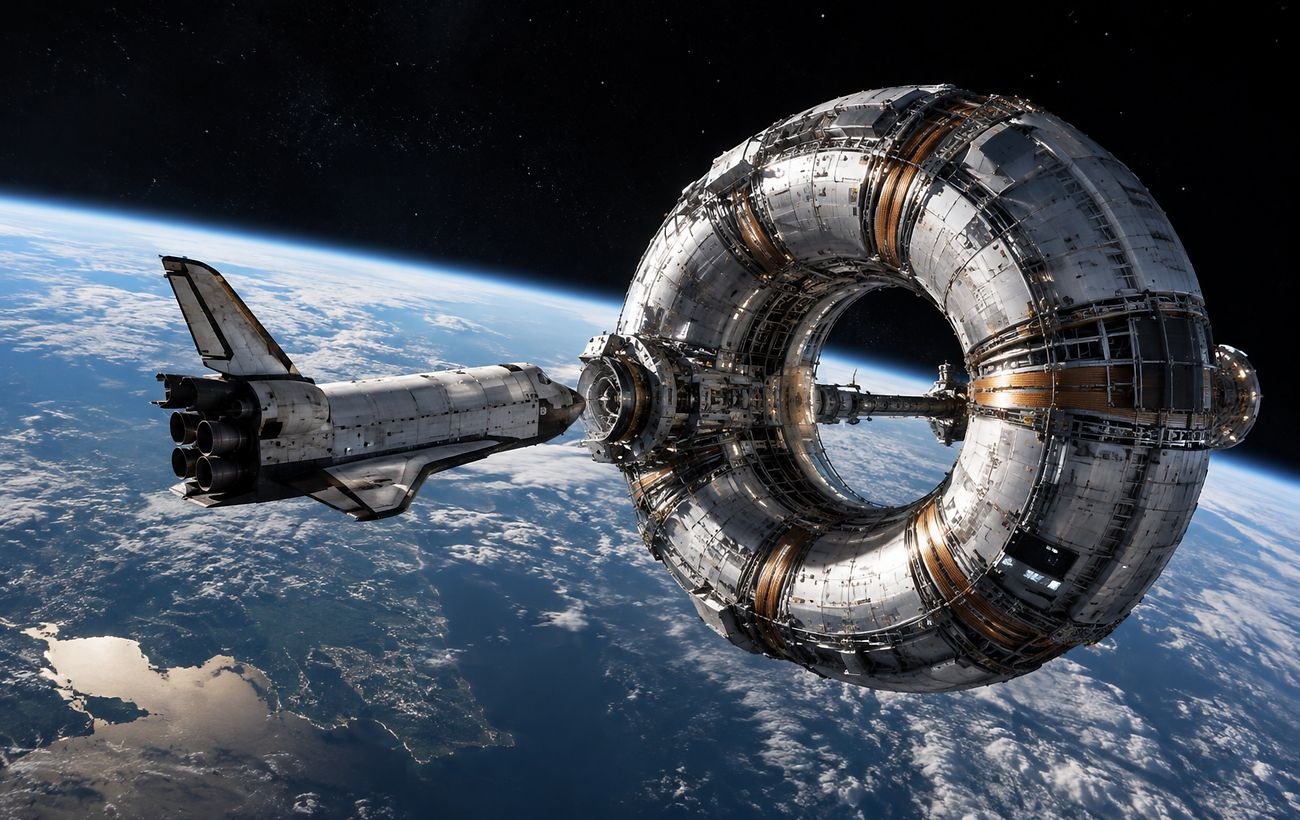
Researchers are investigating the possibility of placing fusion reactors in space to power future interplanetary missions.
 💡Tech
Photo: RBC-Ukraine
Key points
- Nuclear fusion for space missions
- Advantages of microgravity for tokamaks
- Alternative to fission reactors
Humanity continues to search for stable energy sources to support deep-space stations and future settlements beyond Earth. As solar panels lose efficiency at greater distances from the Sun, scientists are looking into the potential of nuclear fusion.
Advantages of Space-Based Reactors
According to a study published in ResearchGate, placing tokamak-type reactors in geostationary orbit offers several technical benefits. Physicist Yang Bai notes that microgravity reduces mechanical stress on structures, while the lack of atmosphere allows for lighter vacuum chambers.
- Using magnetic fields to contain plasma.
- Efficient heat dissipation via specialized radiative panels.
- Potential to power large-scale objects like orbital data centers.
While these projects remain theoretical, the concept proposes a 1-gigawatt installation. This could transform long-term human space exploration, replacing fission reactors with safer fusion technology.
Source RBC-Ukraine — rbc.ua/ukr/news/termoyaderni-reaktori-hochut-vidpraviti-kosmos-1795… ↗
Read next
 👥Society
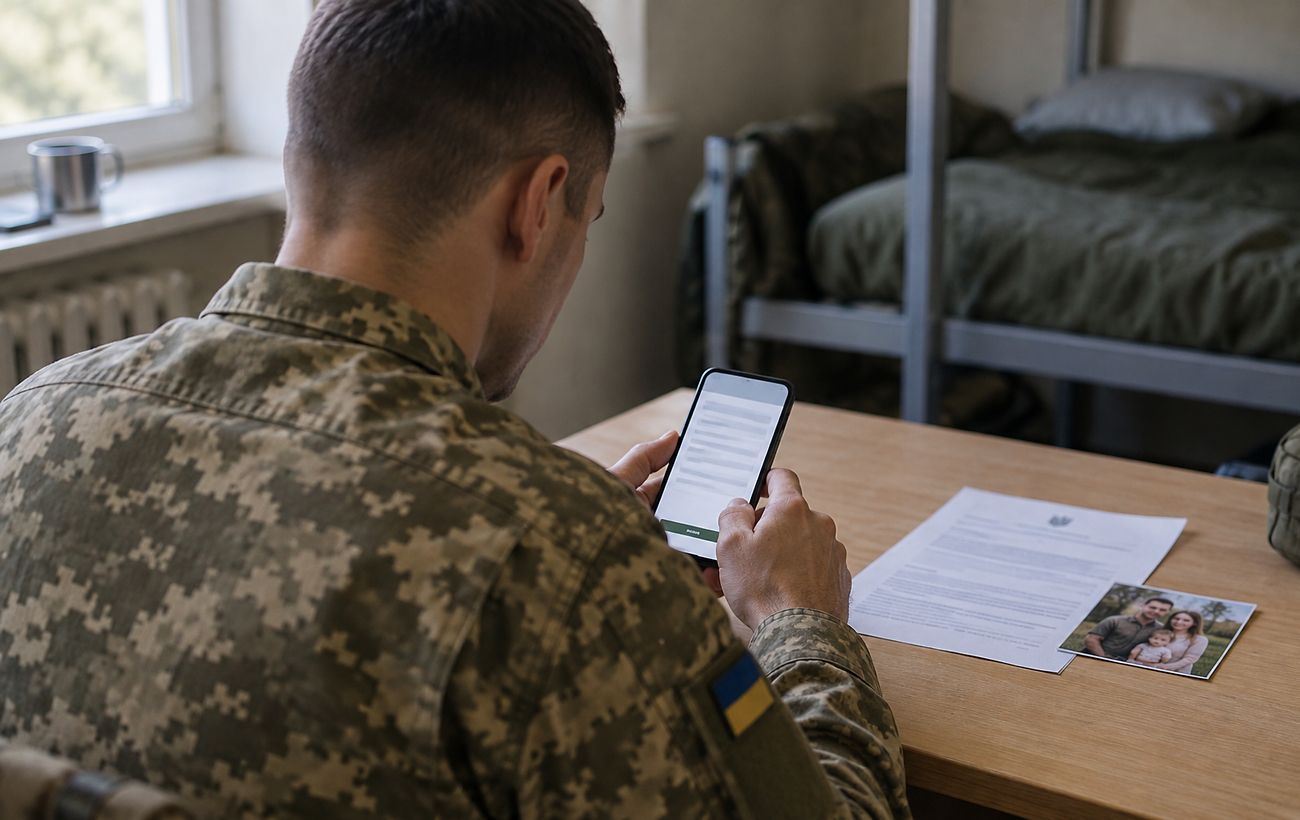
Military Personnel Transfers: Guidelines from the Sumy Regional TCC
Service members can initiate transfers to other units via the 'Army+' app, but family proximity is not a guaranteed reason for approval.
 🎓Education
Denmark to Ban Mobile Phones in Schools
The Danish government is preparing legislation to ban mobile devices in schools up to the 10th grade following poor PISA test results.
 🛡️Security
Arctic cold front approaching Ukraine: what residents of Sumy should expect
Forecasters predict a significant temperature drop in Europe and Ukraine, potentially leading to frosts of up to -20°C at the end of November.
 👥Society
IDP Payments: Government Extends Support and Updates Rules
The Cabinet of Ministers of Ukraine has automatically extended financial assistance for internally displaced persons for another six months. Clear conditions for the pote…
 🛡️Security
Kremlin's Nuclear Blackmail: Medvedev Outlines New Conditions for Preemptive Strike
Deputy Chairman of the Russian Security Council Dmitry Medvedev claimed Russia could use nuclear weapons if they are transferred to Ukraine or in the event of massive non…
 🇺🇦Ukraine
European Commission favors multilateral format for negotiations with Russia
The European Commission has acknowledged receiving an invitation from Russia to visit Moscow but insists on maintaining a multilateral approach to negotiations.