Sanctions Policy: Divergence Between the EU and the US Creates Challenges for Supporting Ukraine
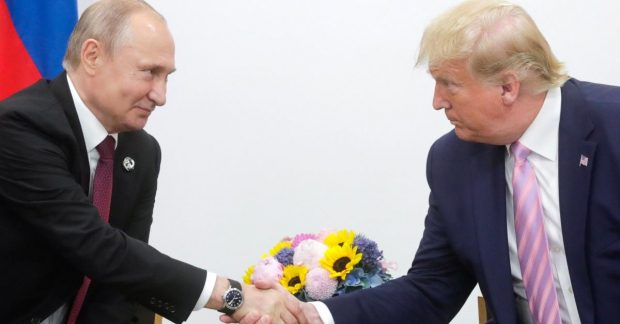
The European Union is stepping up sanctions pressure on Russia, while the US administration shows a growing tendency toward concessions to Moscow.
 🇺🇦Ukraine
Photo: UNIAN
Key points
- The EU added nearly 2,800 names to sanctions lists this year
- The US administration has lifted more restrictions on Russia than it imposed
- European sanctions target Russia's military-industrial complex and shadow fleet
- The US Congress may attempt to restrict presidential decisions through new legislation
The European Union is significantly increasing sanctions pressure on Russia, surpassing the United States for the first time in terms of new restrictions. According to expert calculations by LexisNexis, European institutions have added nearly 2,800 names to sanctions lists this year, with approximately 95 percent of them directly linked to the Russian Federation. Meanwhile, Washington has actually lifted more restrictions on Russian entities than it has imposed.
Challenges of European Restrictions and the Stance of Congress
Despite the scale of the European lists, experts note that the EU sanctions system has certain internal flaws. In the fall, the EU Council adopted additional packages of restrictions targeting dozens of individuals involved in financing the war and supporting Russia's so-called "shadow fleet," as well as representatives of the military-industrial complex. However, the effectiveness of these measures is often hindered by bureaucratic procedures and the specifics of enforcement at the national level of individual member states.
Analysts at The Economist point out that the new US Congress could theoretically help bridge the gap between Western positions, but rapid changes should not be expected. Legal experts remind that courts almost never challenge presidential authority over sanctions, and overriding a potential veto requires a consolidated majority in both chambers. It is expected that lawmakers may attempt to restrict the executive branch's freedom of action through new legislation targeting Russia's energy and financial sectors.
In this situation, Ukraine is forced to navigate the divergences in transatlantic policy. For the Ukrainian economy and security, this means the need to adapt to conditions where the European sanctions architecture remains the primary, albeit imperfect, tool for containing the aggressor on the international stage.
Source UNIAN — unian.ua/economics/other/poki-yes-posilyuye-sankciji-proti-rosiji-t… ↗
Read next
 💼Economy
Oschadbank updates tariffs: new fees for gambling and postal card delivery
Starting December 10, Oschadbank is introducing additional fees for gaming-related operations and announcing the launch of a postal card delivery service.
 🏙️City
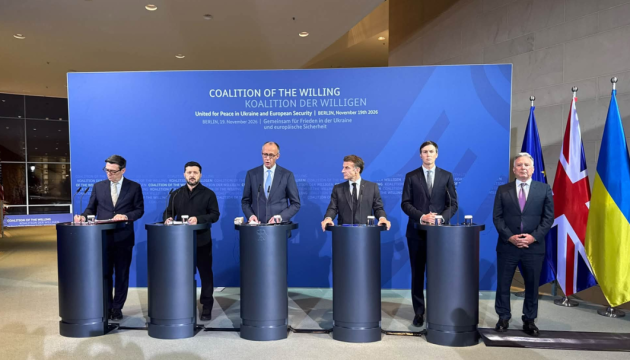
Security guarantees for Ukraine: President emphasizes the importance of real protection mechanisms
Volodymyr Zelenskyy stated that security guarantees modeled on NATO's Article 5 require the physical presence of allied forces, not just political declarations.
 🛡️Security
Zelenskyy: Russia is losing on the battlefield, turning to attacks on civilians
The President of Ukraine stated that Russia is failing on the front lines in 2026 and is resorting to ballistic missile strikes against the civilian population.
 🩺Health
Irregular Sleep Increases Heart Disease Risk: Study Findings
New research suggests that maintaining a consistent sleep schedule is vital for cardiovascular health, regardless of total sleep duration.
 🛡️Security
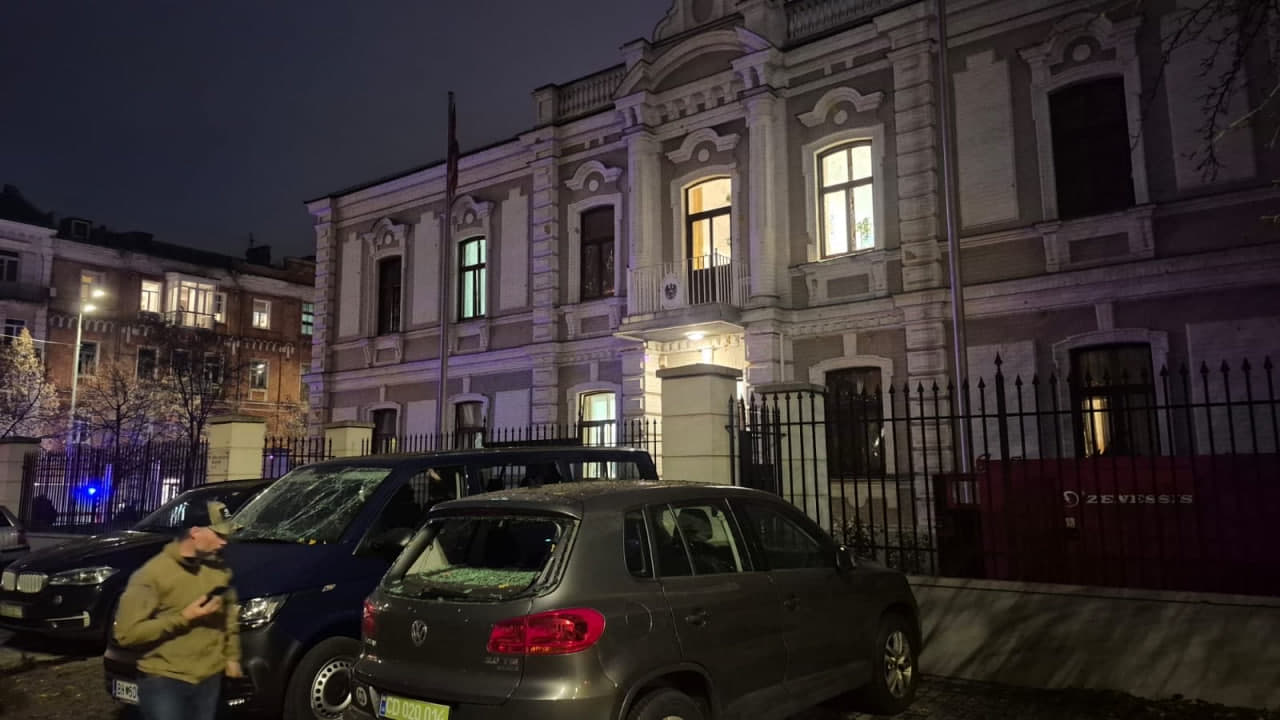
Russian strike on Kyiv damages Austrian embassy
Austrian Chancellor Karl Nehammer expressed outrage following a Russian attack on Kyiv that damaged his country's diplomatic mission.
 💼Economy
Fuel prices in Ukraine are falling: experts predict a decline at gas stations
By the end of November, the cost of gasoline and diesel at Ukrainian gas stations may decrease by 5-8 hryvnias per liter.