Winter solar power generation: How efficiently panels work during the cold months
Experts explain how seasonal weather changes affect solar power output and why residential systems remain a useful backup energy source in winter.
 🏙️City
Photo: UNIAN
Key points
- Solar generation drops by 70-80% in winter due to short days and clouds
- Cold weather does not damage panels and can improve efficiency under sun
- Average 10 kW systems yield 300-450 kWh per month in winter
- Panels provide a critical backup power reserve during blackouts
As winter arrives and concerns about power stability grow, many residential property owners wonder whether solar panels can still generate electricity during dark and cloudy days. Industry experts clarify that while system productivity drops significantly during the colder months, the panels do not stop producing power altogether. Even under unfavorable weather conditions, solar modules remain a viable additional energy source.
Understanding seasonal output drops
The main reasons for reduced electricity generation are shorter daylight hours, lower sun angles, cloud cover, and frequent precipitation. Interestingly, cold temperatures do not harm the modules; in fact, under the same level of solar radiation, they can perform even more efficiently in the cold. According to representatives from "Modern Energy", a member of the Solar Energy Association of Ukraine, generation in November through January can drop by 70 to 80 percent compared to peak summer months.
Calculations provided by engineering firms show that a residential system generating around 900 kWh in July might yield only about 130 kWh in December. Meanwhile, environmental experts note that seasonal reductions can sometimes reach four to six times lower than summer peaks. Despite this steep decline, having an active generation source during critical winter periods provides households with indispensable electricity for basic daily needs.
It is worth remembering that during difficult winter months, the station still continues to generate electricity regardless of the overall power supply situation, — emphasized Dmytro Sakaliuk, an expert from the NGO "Ecosystem".
Actual electricity yields depend heavily on local geography, panel orientation, tilt angles, and potential shading from nearby structures. For homeowners seeking resilience against grid disruptions, a small residential solar setup paired with batteries helps maintain minimum household functionality. While winter solar power cannot fully replace the grid, it acts as a valuable cushion during energy emergencies.
Source UNIAN — unian.ua/economics/energetics/sonyachni-paneli-vzimku-efektivni-chi… ↗
Read next
 💡Tech
The mysterious triangle on Samsung screens: what this indicator really means
Samsung Galaxy users often notice an unusual triangle icon in the status bar, which typically indicates that data saving mode is active.
 🛡️Security
International Partners Prepare Legally Binding Security Guarantees for Ukraine
Western leaders have agreed on a package of security commitments and financial support, including the strengthening of air defense systems ahead of winter.
 🛡️Security
Zelenskyy in Berlin: NATO membership remains the key security guarantee for Ukraine
During the 'Coalition of the Willing' meeting in Berlin, President Volodymyr Zelenskyy emphasized the importance of Ukraine's integration into NATO and the EU to ensure s…
 🎓Education
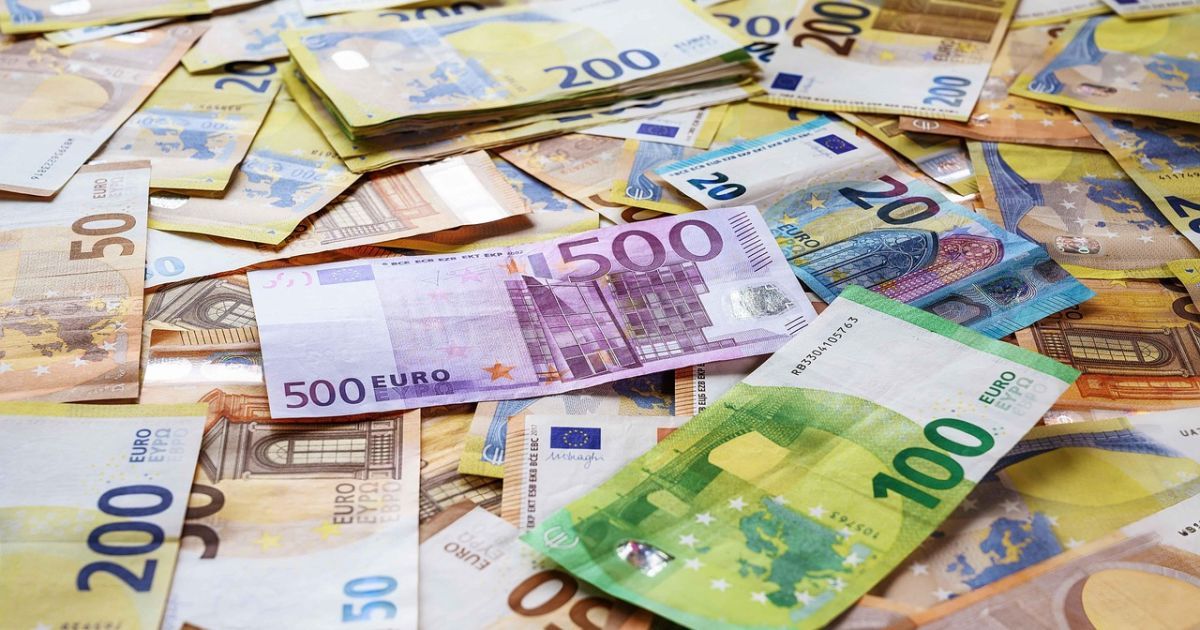
EU and partners to provide €90 billion to Ukraine: new security guarantees and defense support
Leaders of partner nations in Berlin have agreed on a financial and military support package for Ukraine through 2027, while discussing security mechanisms for the post-c…
 🚌Transport
Situation at the Crimean Bridge: Traffic Suspension and Panic in Simferopol
Following a series of attacks on the Crimean Bridge, occupation authorities restricted traffic, leading to panic and shortages in Simferopol.
 🚌Transport
Road sign R9-4: What the crossed-out finger symbol means
We explain the meaning of the rare R9-4 road sign, which prohibits hitchhiking in the USA.